


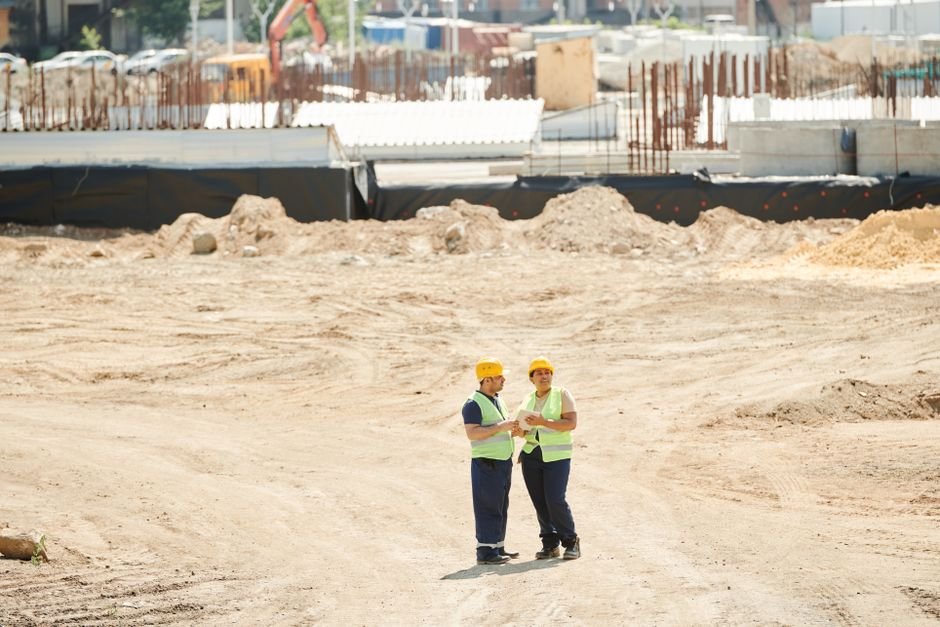

If you run a construction company, you have probably heard that you need to be on social media. You may also be wondering whether it actually produces work or just eats up time you do not have. The honest answer is that social media marketing for construction company growth works when it is treated as a lead-generation system, not a place to post occasional job photos. This guide gives you a practical, platform-specific plan for turning your jobsite content into a measurable pipeline of bids, referrals, and hires.
Table of Contents
- Why Social Media Matters for Construction Companies in 2026
- Choosing the Right Platforms: Where to Focus Your Effort
- The 7-Step Jobsite-to-Pipeline Content System
- Content That Converts: 5 Pillars for Construction Social Media
- Paid Social for Construction: Budgeting and Targeting That Works
- Measuring What Matters: KPIs for Construction Social Media
- Common Mistakes Construction Companies Make on Social Media
- Your 90-Day Social Media Launch Plan
- Frequently Asked Questions About Construction Social Media
- Conclusion: Start Building Your Digital Proof System Today
Why Social Media Matters for Construction Companies in 2026
The numbers make the case before you post a single photo. Research shows that 96 percent of people learn about local businesses online before hiring, and 62 percent of customers will ignore a business without a web presence. For construction firms, that means your social profiles are often the first impression a homeowner or commercial developer gets of your work.
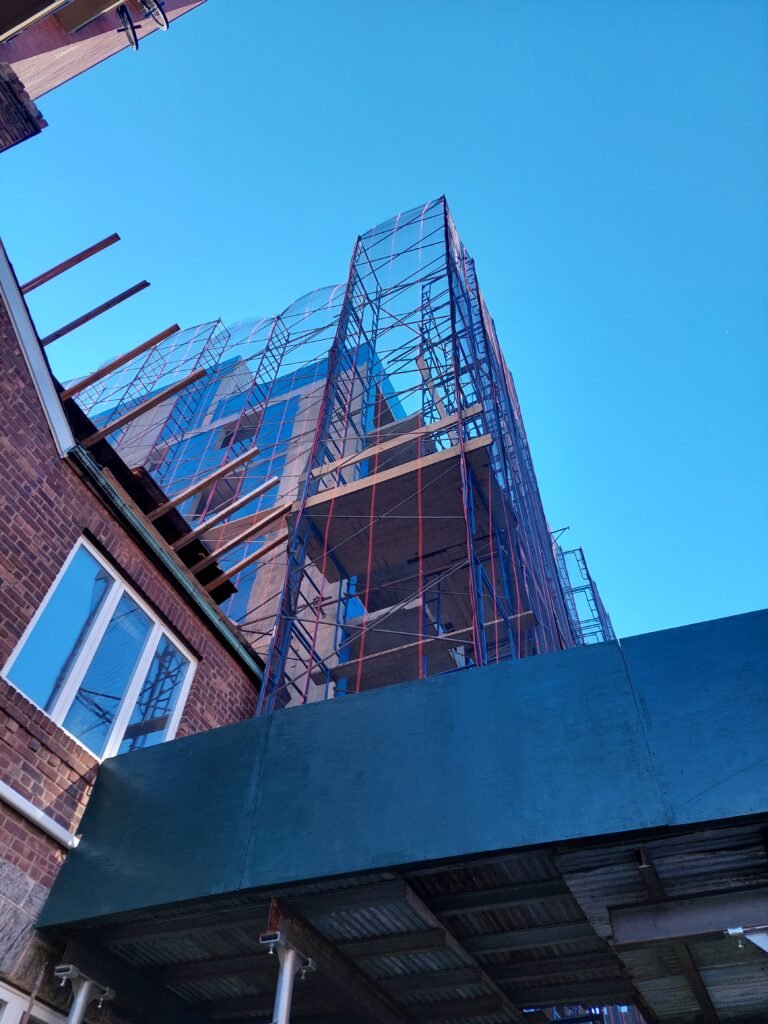
Construction buyers do not hire on promises. They vet contractors through evidence: completed projects, clean jobsites, skilled crews, and consistent communication. Social media serves as your digital proof system, giving prospects a way to watch your company for weeks or months before they invite you to bid. With sales cycles running anywhere from 6 to 18 months, that sustained visibility keeps you top-of-mind when the budget finally gets approved.
There is another benefit that gets less attention. The construction industry continues to face a skilled labor shortage, and social media doubles as a recruiting tool. Posts that show your crew culture, safety practices, and career growth opportunities attract qualified employees, not just clients.
Choosing the Right Platforms: Where to Focus Your Effort
The biggest mistake construction companies make is trying to be everywhere at once. Industry data shows that most successful construction marketers concentrate on three to five platforms maximum. The goal is depth on a few channels, not shallow presence on all of them.
LinkedIn is non-negotiable for commercial and B2B contractors. With 89 percent of B2B marketers using LinkedIn for lead generation and 62 percent reporting it effectively produces leads, it is the platform where facility managers, property developers, and architects spend their time. A Construction Marketing Association study found that 100 percent of surveyed construction professionals were on LinkedIn.
Facebook remains the workhorse for residential contractors. With nearly 3 billion active users worldwide, it is where local homeowners ask for recommendations, join community groups, and research companies before calling. Facebook’s local reach and advertising tools make it the most direct path to homeowner leads.
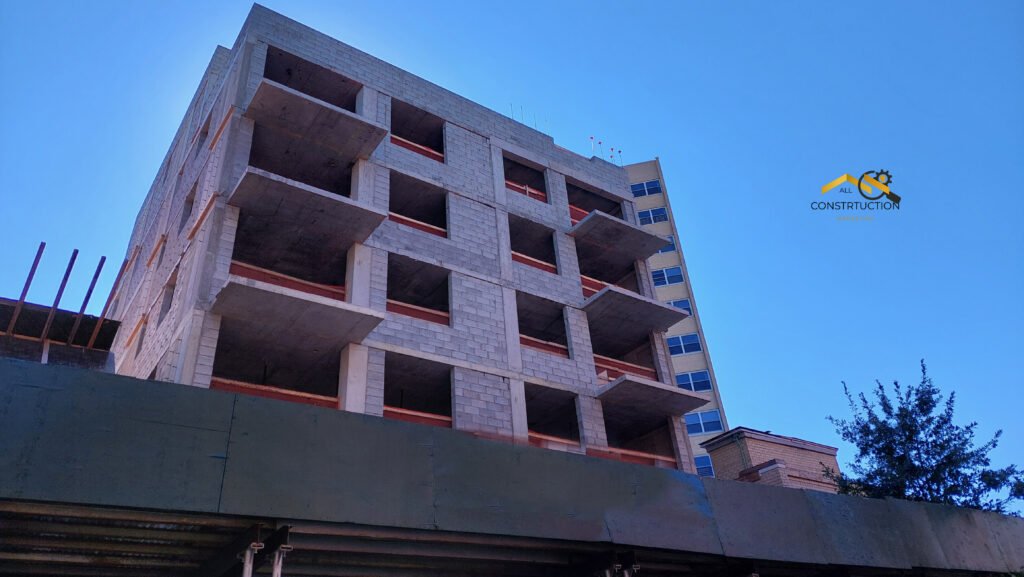
Instagram’s 1 billion plus monthly users make it ideal for visual proof. Before-and-after photos, Reels of jobsite progress, and finished project walkthroughs perform well here, especially with younger homeowners who are buying their first properties.
YouTube is the most underutilized platform in construction. Long-form project documentaries, educational videos about common problems, and time-lapse builds face minimal competition. A YouTube video also keeps working for years in search results, unlike a post that disappears from the feed in days.
Platform Quick-Reference for Construction Firms
LinkedIn works best for commercial and B2B contractors, talent recruitment, and industry networking. Facebook is strongest for local residential reach, community engagement, and connecting with homeowners over 40. Instagram suits visual proof, Reels, and reaching younger homeowners who respond to transformation content. YouTube is the place for educational content, project documentaries, and long-term search visibility. TikTok is optional, and only worth pursuing if you have the bandwidth for raw, authentic video content that does not require polished production.
The 7-Step Jobsite-to-Pipeline Content System
Posting randomly will not generate leads. The most effective construction social media programs follow a repeatable system that turns every project into a stream of content. Here is a seven-step framework that works.
Capture: Train your team to film short video clips and take photos on every jobsite. A smartphone is sufficient. Consistency beats production quality, and a 20-second clip of framing going up is more valuable than a polished video you never finish.
Explain: Add context to every post. What problem were you solving? What materials did you use? What was the timeline and budget range? Context turns a photo into a story that educates your prospect.
Prove: Show measurements, inspections, and finished details that demonstrate craftsmanship and code compliance. Proof content answers the unspoken question every buyer has: can this company actually deliver?
Repurpose: One project can yield 10 to 15 posts across different platforms and formats. A kitchen remodel can become a Reel, a carousel of progress photos, a client testimonial, a LinkedIn article about the design challenges, and a YouTube walkthrough.
Distribute: Tailor content to each platform’s native format. What works as a LinkedIn article will not work as an Instagram Reel. Adapt the message, do not cross-post identical content everywhere.
Retarget: Use paid social to serve your best content to people who visited your website but did not inquire. These warm audiences already know your name and convert at higher rates than cold prospects.
Follow Up: Track which social touchpoints preceded inquiries. When a lead calls, ask how they heard about you. Over time, you will learn which platforms and content types actually drive revenue.
Content That Converts: 5 Pillars for Construction Social Media
Not all content performs equally. The most effective construction social media programs build around five content pillars that align with how buyers make decisions.
Before-and-after transformations are the single most compelling proof point for construction work. A dramatic visual change communicates value instantly, even to someone scrolling quickly.
Progress and time-lapse videos show the process, not just the result. Buyers want to see that you manage projects cleanly, communicate clearly, and solve problems as they arise. Process content builds trust in your methods.
Employee spotlights and culture content humanize your company. A post about your lead carpenter’s 12 years of experience tells prospects that skilled people will be on their job. The same content attracts job applicants who want to work for a company that values its people.
Client testimonials and walkthroughs let satisfied customers tell your story in their own words. A homeowner standing in their finished kitchen describing the experience carries more weight than anything you write about yourself.
Educational and how-to content positions your team as experts while answering common homeowner questions. A post explaining the three signs a roof needs replacement attracts homeowners at the research stage, before they have even decided to hire anyone.
10 Ready-to-Use Post Ideas for Construction Companies
Three signs your roof needs replacement. Week 2 of 6: framing progress on the Johnson project. Meet Mike, our lead carpenter of 12 years. What’s hiding behind this wall? Client review of the week. Before vs. after: $50k kitchen remodel. Tool talk: our favorite laser level and why. Common permit mistakes we see on residential projects. Day in the life: project manager edition. We’re hiring: join our crew. A quick tip for preventing basement water damage before spring rains.
Paid Social for Construction: Budgeting and Targeting That Works
Organic social media builds trust over time, but paid social accelerates the process. For most construction companies, a starting budget of $500 to $1,500 per month is realistic for testing paid campaigns.
Geographic targeting is essential. Use Facebook and LinkedIn’s location settings to reach homeowners or commercial decision-makers within your actual service area. There is no point paying to show your content to people three states away.
Retargeting is the highest-leverage paid tactic available. Serve your best project proof content to people who visited your website but did not fill out a form. These warm audiences already know your name and convert at significantly higher rates than cold traffic.
Boost your top-performing organic posts rather than creating separate ad creative from scratch. If a before-and-after post is already getting engagement, putting $50 behind it extends its reach to thousands of local prospects.
Track cost-per-lead by platform. Typical construction cost-per-lead ranges from $15 to $60 depending on project value and competition. A $50 lead for a $50,000 remodel is a strong return, while the same lead cost for a $500 repair may not be sustainable.
Measuring What Matters: KPIs for Construction Social Media
Vanity metrics like follower count and likes do not pay for equipment or payroll. Track lead generation metrics instead: inquiries, form fills, phone calls, and quote requests.
Engagement rate is still useful as a proxy for content resonance. Aim for 3 to 5 percent on Instagram and Facebook. If engagement is below that, your content is not connecting with the audience you need.
Use UTM parameters and call tracking to attribute leads back to specific social posts and campaigns. Without attribution, you are guessing about what works.
Review performance monthly. Which content types drove inquiries? Which platforms delivered actual leads? What was your cost-per-lead? Use that data to shift budget and effort toward what is working.
Remember that social media feeds your pipeline over months, not days. Measure 90-day cycles rather than weekly spikes. A prospect who followed you for three months before calling is still a social media lead.
Common Mistakes Construction Companies Make on Social Media
Posting inconsistently and then abandoning the effort after 30 days without results is the most common failure pattern. Social media is a compounding investment, not a switch you flip.
Focusing on follower count instead of lead generation wastes energy. A thousand local homeowners who trust your work are worth more than ten thousand random followers.
Ignoring negative comments or reviews is a missed opportunity. Public complaints handled professionally actually build trust with everyone watching. Respond calmly, offer to take the conversation offline, and demonstrate accountability.
Posting only finished projects without showing process, people, or expertise leaves buyers with nothing to trust. The finished photo proves you can complete a project. The process content proves how you do it.
Trying to maintain every platform instead of dominating two or three spreads your content too thin. Depth beats breadth in construction social media.
Your 90-Day Social Media Launch Plan
Month one is for setup. Optimize your profiles with complete information, professional photos, and clear service descriptions. Define your content pillars and build a 30-day content calendar so you never wonder what to post.
Month two is for consistency. Establish a posting rhythm of three to five times per week across your primary platforms. Begin capturing jobsite content systematically, assigning one team member as the content captain with dedicated time each week for capture and posting.
Month three is for optimization. Launch a small paid retargeting campaign, analyze your performance data, and double down on what is working. Review progress against your goals and adjust your platform mix based on real performance data, not assumptions.
Frequently Asked Questions About Construction Social Media
How often should construction companies post? Three to five times per week across your primary platforms is sufficient. Consistency matters more than volume.
Is social media worth it for contractors? Yes, when treated as a long-term lead-generation system rather than a quick fix. Expect results to compound over months.
Should we handle social media in-house or hire an agency? In-house works if someone owns it and has dedicated time. An agency works if you need strategy, consistent production, and paid campaign management.
How long until we see results? Expect three to six months of consistent effort before meaningful lead flow begins. Social media builds trust before it builds revenue.
Conclusion: Start Building Your Digital Proof System Today
Social media for construction is not about going viral. It is about being visible and credible when buyers are vetting you. The companies that win bids are the ones prospects have been watching, liking, and trusting for months before the RFP goes out.
Start with two or three platforms. Commit to consistent, proof-based content. Measure what matters: inquiries, leads, and pipeline contribution. Your next step is simple. Pick one platform, schedule your first week of content, and begin capturing your next project today.